Autism in girls often feels like a hidden chapter in a book that everyone else has already read. The subtle differences in behavior, the way they process social cues, and the unique challenges they face can be overlooked. This article dives into the nuances of autism in girls, why social‑skills therapy matters, and practical ways parents, teachers, and caregivers can help them thrive.
Understanding Autism in Girls
Signs That Often Go Unnoticed
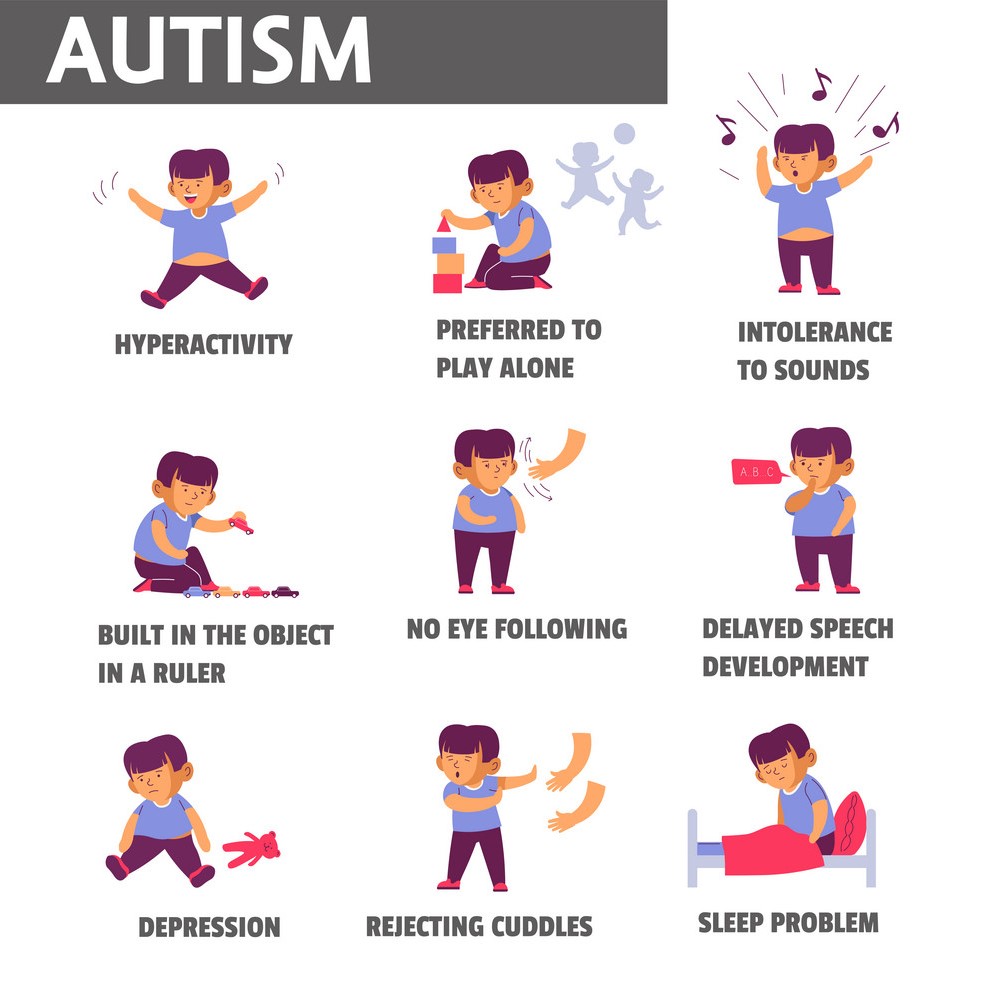
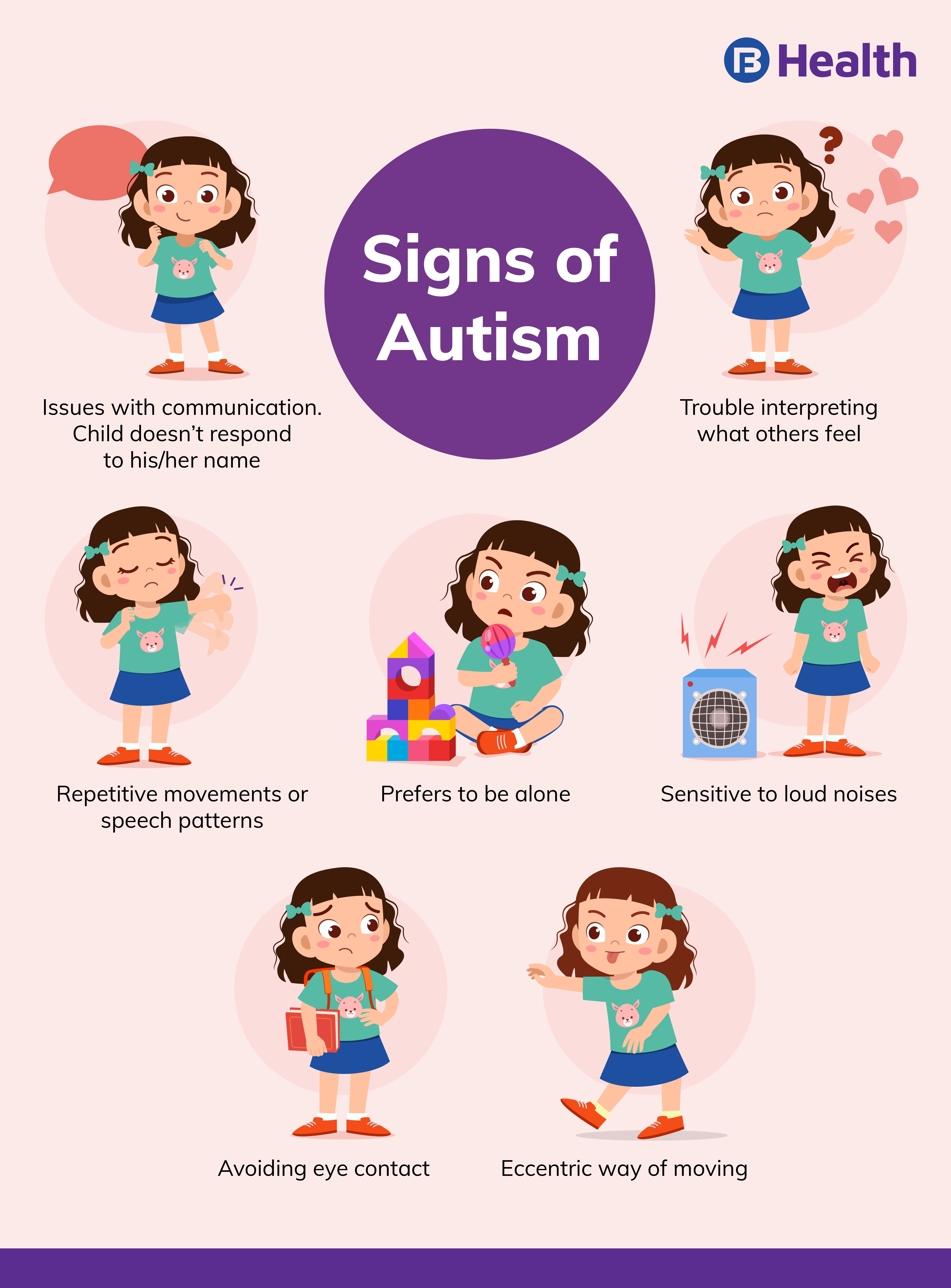
When autism manifests in boys, the loud, disruptive behaviors tend to catch attention. In girls, the symptoms are usually quieter—think intense focus on a niche interest, sensory sensitivities, and difficulty interpreting body language. Because these traits can masquerade as shyness or perfectionism, they’re frequently mistaken for typical teenage angst.
How Diagnosis Differs
Diagnosing autism in girls can be a longer, more winding road. Clinicians may require a higher threshold of symptoms or rely on reports from teachers and parents. The result? Many girls receive a diagnosis later in life, sometimes in adulthood, which delays access to tailored support.
The Social Skills Gap: Why It Matters
Have you ever wondered why a girl who excels academically may still feel isolated? Social skills are the bridge between inner worlds and external interactions. When that bridge is weak, everyday situations—school projects, group chats, or even grocery line conversations—can feel like navigating a maze blindfolded.
Real-World Consequences
Without robust View website social skills, girls with autism may experience:
- Lower self‑esteem Missed friendships Higher rates of anxiety and depression
These challenges can ripple into academic performance and future career opportunities.
The Role of Peer Interaction
Peer relationships are the social glue that holds children together. For autistic girls, the subtle rules of turn‑taking, eye contact, and shared humor can be as elusive as a secret handshake. In a classroom setting, this often translates to being overlooked during group work or feeling pressured to conform to norms that feel alien.
Therapy Options for Social Skills
Choosing the right therapy is like picking the right tool for a delicate craft. The right approach can turn a stumbling block into a stepping stone.
Social Skills Group Therapy
Group settings provide a live rehearsal space. Children practice conversation starters, sharing, and reading non‑verbal cues while receiving real‑time feedback. The group dynamic also normalizes differences—everyone’s quirks are part of the collective experience.
> “The best way to learn social skills is to practice them in a supportive, low‑stakes environment.” – Dr. Laura Brown, Clinical Psychologist
Individual Cognitive Behavioral Therapy
CBT focuses on identifying thought patterns that hinder social interaction. For girls who struggle with internal monologues, CBT can help reframe “I’m not good at talking to people” into “I can use specific strategies to feel more comfortable.”
Play‑Based Interventions
When a child is more receptive to play than structured talk, therapists use role‑playing games, board games, or digital simulations to model social scenarios. This method turns abstract rules into tangible experiences—think of it as learning to drive a car with a safety instructor before hitting the highway.
Practical Tips for Parents and Educators
Creating a supportive environment is a team effort. Here are actionable strategies that can be implemented at home or school.
Creating Structured Social Opportunities
- Scheduled playdates: Arrange short, predictable interactions to reduce anxiety. Interest‑based clubs: Leverage the child’s passion (e.g., book club, coding group) to ease conversation. Community events: Small gatherings like library story hours or museum tours can provide low‑pressure social settings.
Using Visual Supports
Visual cues help translate abstract social rules into concrete steps.
- Social stories: Short narratives that outline expected behaviors in specific situations. Emotion charts: Visual representations of feelings to aid in identifying and expressing emotions. Checklists: Step‑by‑step guides for group activities to reduce uncertainty.
Making Your Selection Count
Choosing the right therapy and support plan is a decision that shapes future experiences. Think of it as planting a garden: you need the right soil, the right seeds, and the right amount of sunlight.
- Assess needs: Observe the child’s strengths and challenges in natural settings. Seek multidisciplinary input: Collaborate with teachers, therapists, and pediatricians. Monitor progress: Set measurable goals and celebrate small wins—every smile counts.
When you combine professional therapy with everyday practice, the social skills gap narrows. The journey may not be a straight line, but with patience and persistence, autistic girls can find their voice and thrive in a world that often feels like a maze.
Remember, every step forward—no matter how small—adds a piece to the puzzle. If you’re ready to start, reach out to a local autism specialist or school counselor today. The right support can transform a https://privatebin.net/?2f300bedb144f594#B9VR5Jk9qKm9JvEtpQKDqSHjd534F8tjskFaXFkMTpue quiet, overlooked child into a confident, socially adept individual ready to take on the world.